Environmental Reality
Three interconnected crises that reveal the true scale of the environmental emergency.
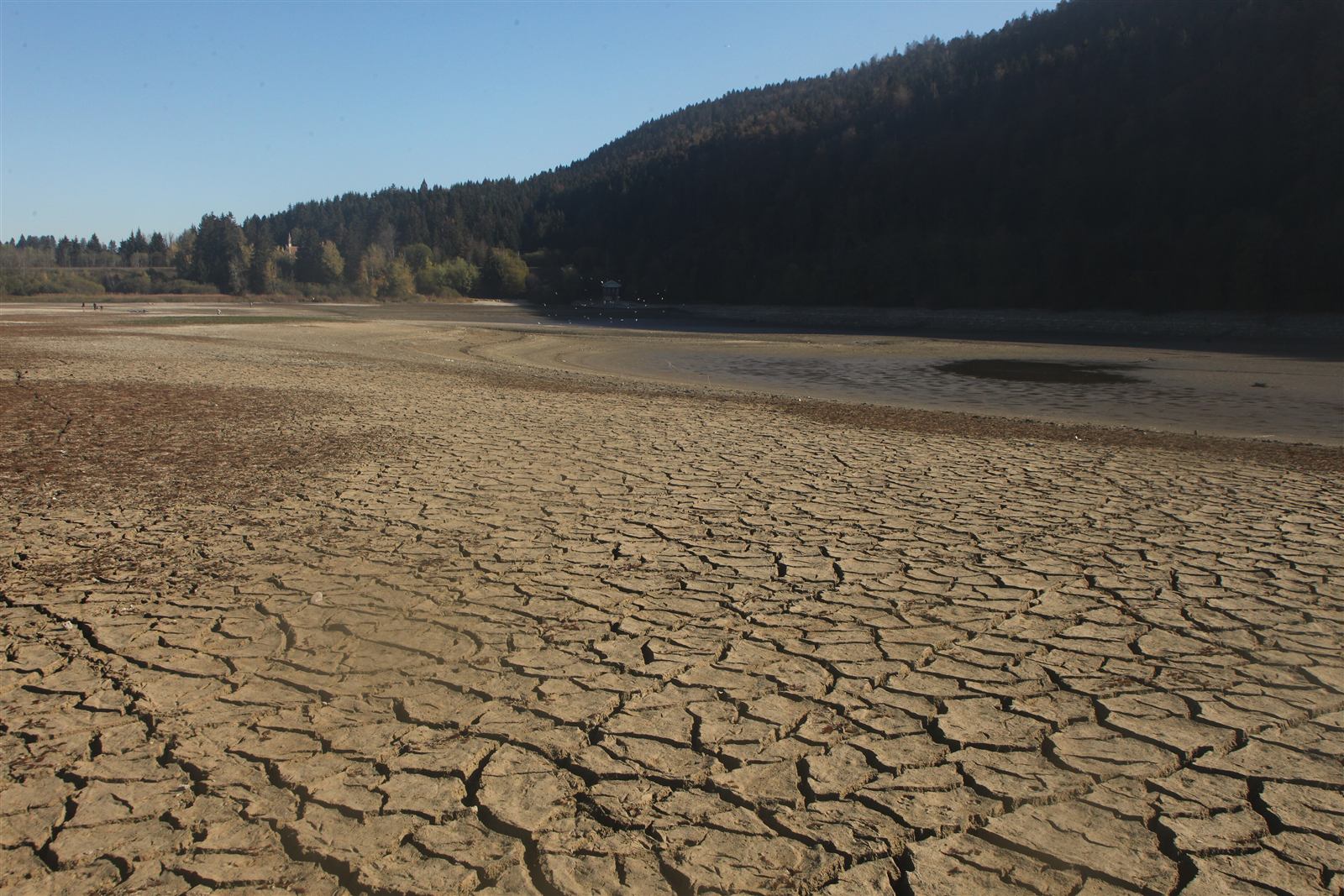
Record-Breaking Global Heat and Ecosystem Collapse
Recent data from the United Nations and NASA confirms that the world has experienced its hottest years on record. Rising global temperatures have triggered extreme heatwaves, devastating wildfires, prolonged droughts, and destructive floods across multiple continents. Beyond human impact, ecosystems are being pushed to breaking point, with coral reefs bleaching, forests burning, and countless species facing accelerated extinction.
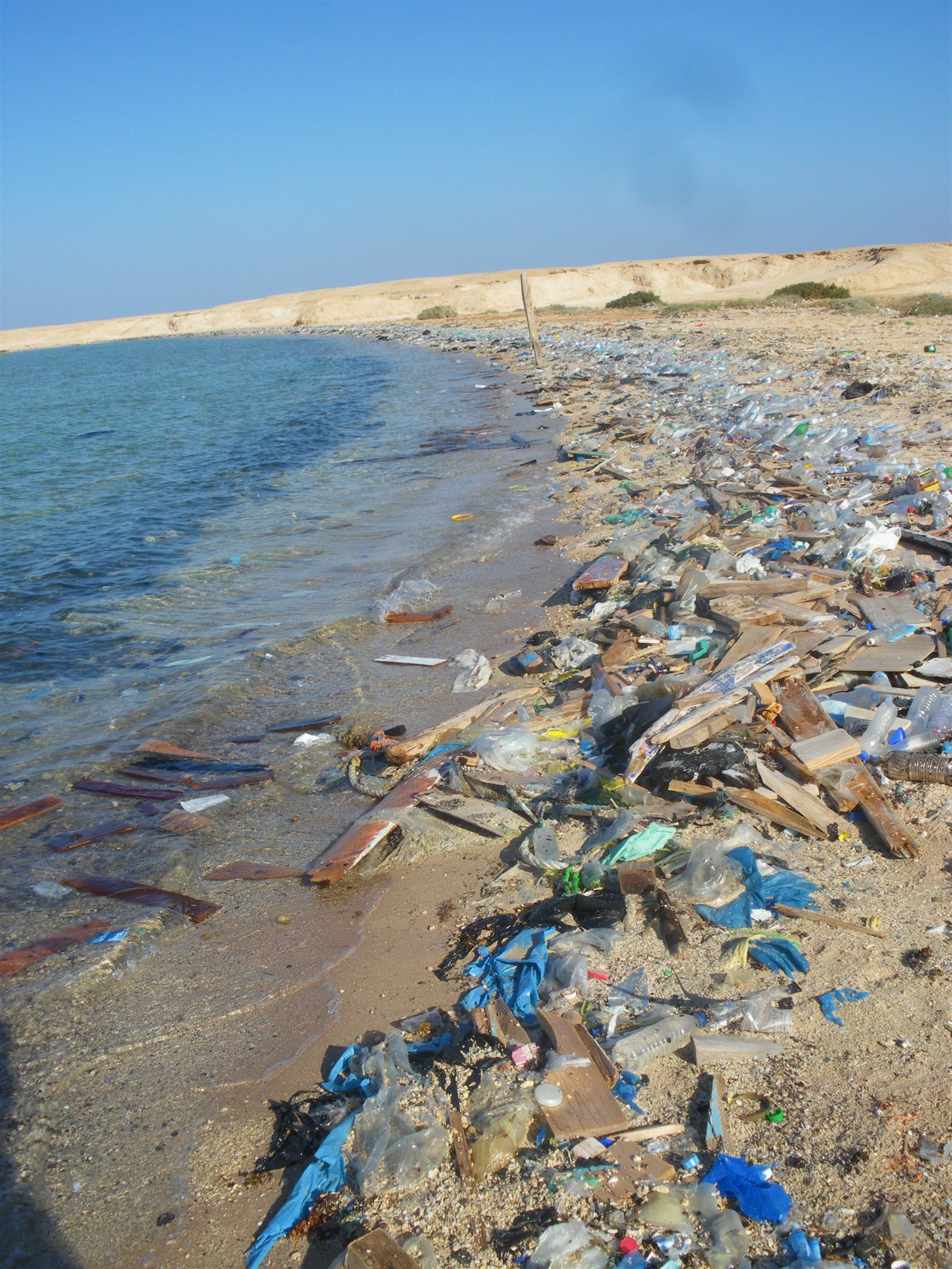
Microplastics Found in Humans and Global Ecosystems
Scientists have discovered microscopic plastic particles in human blood, lungs, and even unborn babies, according to studies reported by the BBC and Reuters. At the same time, oceans and rivers are saturated with plastic waste, harming marine life and disrupting food chains. Microplastics are now present in drinking water, seafood, and the air, revealing how deeply plastic pollution has infiltrated the planet.

One Million Species Face Extinction Due to Human Activity
The IPBES Global Assessment found approximately 1 million plant and animal species are now threatened with extinction, a rate tens to hundreds of times higher than the natural baseline. Habitat destruction, agricultural expansion, pollution, and climate change are the primary drivers. Once a species is lost, it cannot be recovered.
One Crisis, Many Consequences
Although these three crises appear different, they are deeply connected. Climate change accelerates habitat destruction, making ecosystems more fragile, while plastic pollution further weakens biodiversity by poisoning species and disrupting natural cycles. Biodiversity loss, in turn, strips ecosystems of the resilience they need to absorb both rising temperatures and plastic contamination. Together, they form a chain reaction in which environmental damage intensifies itself.
Rising temperatures increase the breakdown of plastic into microplastics, while damaged ecosystems lose their ability to absorb carbon dioxide, worsening global warming. This feedback loop demonstrates that environmental problems cannot be solved in isolation; they are part of a single global system under pressure.
Understanding this connection is essential. The solutions are not limited to one action or one policy, but require collective responsibility, sustainable lifestyles, and long-term global cooperation. The steps individuals and communities can take are explored further on the Solutions page of this website.