Small Changes, Real Impact
You don't need a perfect lifestyle to make a difference. These are genuinely easy, evidence-backed changes you can start this week, no special budget or equipment required.
Individual habits alone won't fix the climate crisis; that requires policy and industry change too, which is what our Solutions page covers. But everyday choices still matter: they cut real emissions, shift demand, and shape what feels normal to everyone around you. Here's where to start.
Where to start

At Home
Most household energy and water waste comes from habits, not appliances.
Switching to LED bulbs cuts lighting energy use by about 75% and lasts far longer than incandescents. Unplugging devices left on standby, fixing dripping taps and taking shorter showers add up fast: a single leaking tap alone can waste over 11,000 litres a year.

What You Eat
Food choices are one of the highest-leverage changes an individual can make.
Shifting toward a more plant-based diet can cut an individual's food-related footprint by up to 73%, according to research published in Science (Poore & Nemecek, Oxford, 2018). Planning meals, freezing leftovers and buying local, seasonal produce when it's a genuine option all help too, since wasted food is wasted water, land and transport, not just wasted money.

Getting Around
Transport is one of the easiest categories to trim without much sacrifice.
Walking, cycling or taking public transport for short trips, and combining errands into one journey or carpooling when driving is unavoidable, cut emissions with almost no downside: most cars carry only one occupant on a typical commute. If you're already replacing a car, an EV or hybrid cuts lifetime emissions substantially.
What You Buy
The most sustainable product is usually the one you don't replace.
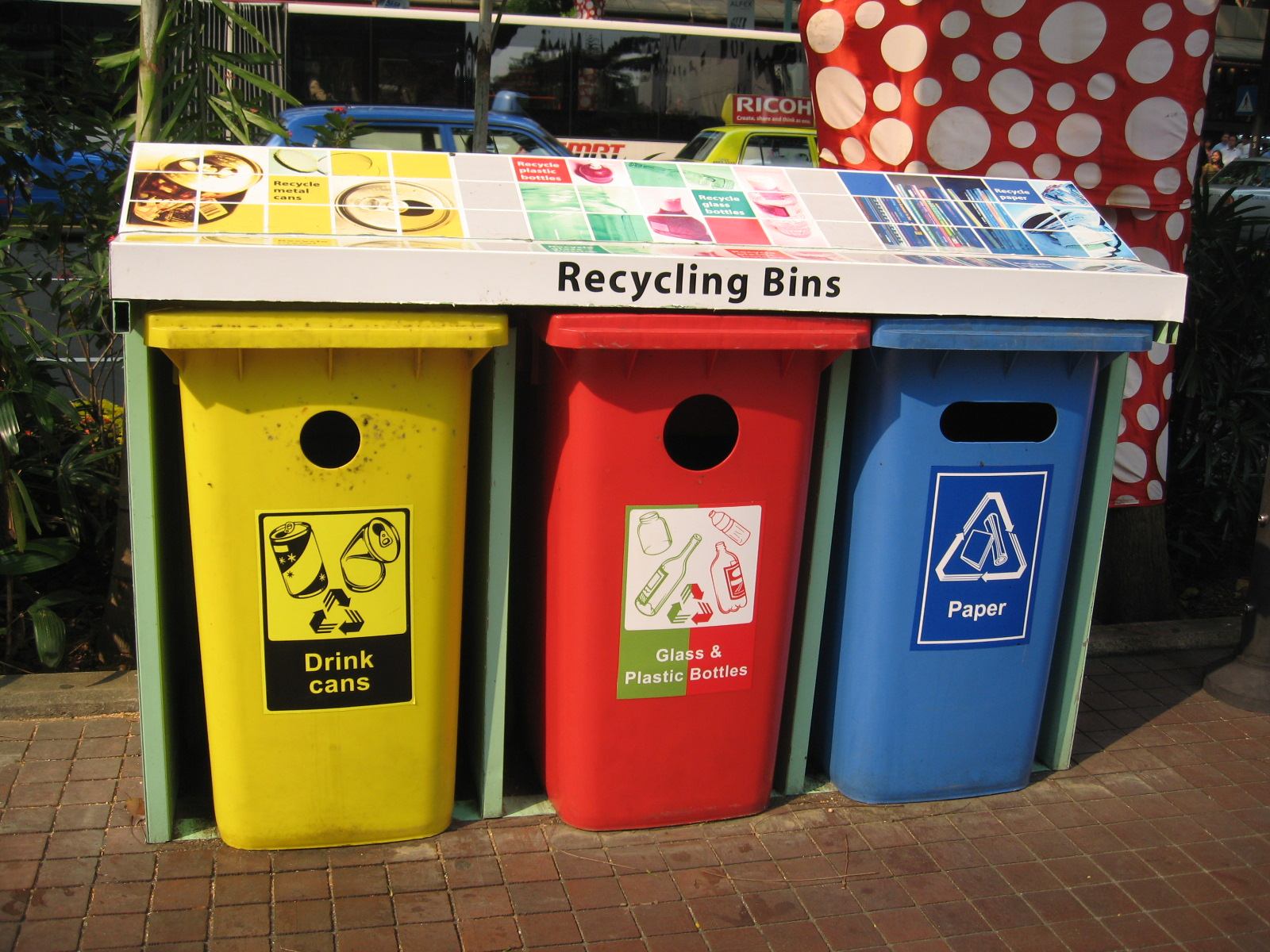
A reusable bottle and bag pay for themselves within months and keep single-use plastic out of landfill for good. Buying less and buying better beats replacing things often, and repairing electronics before binning them, recycling e-waste through a proper collection point, keeps valuable materials in use.

Travel & Flying
Flights are one of the most carbon-intensive things an individual can do, so they're worth choosing carefully.
Flying less when a train, bus or video call covers the same trip just as well, and booking direct routes where possible, cuts unnecessary emissions: take-off and landing burn disproportionate fuel, so extra connections add up. Frequent flyers can look into credible offset or removal programmes, treated as a last resort rather than a licence to fly more.
Use Your Voice
Personal habits scale faster when they stop being personal.
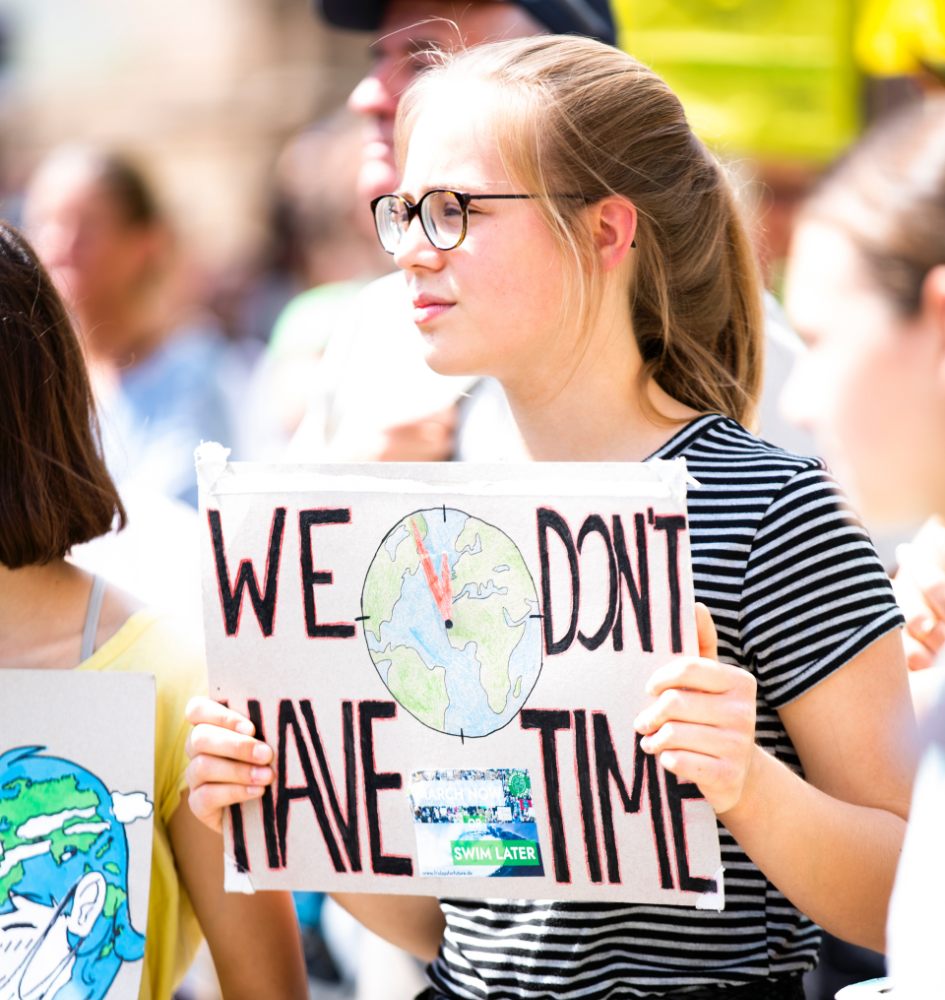
Supporting businesses and brands that back real climate commitments, not just marketing, and talking openly about the changes you're making, shifts norms faster than a solo example ever does. Voting, petitioning and emailing local representatives multiplies whatever individual effort already achieves.
Ready to hold yourself to it?
Take the pledge to make these habits stick, or see the bigger, systemic solutions working alongside them.