The Science Behind a Warming Planet
Rising greenhouse gas emissions are warming the planet faster than ecosystems, economies or coastlines can adapt. Here's what's driving it, and what real climate action actually requires.
A thin layer of gas, a global effect
The Greenhouse Effect
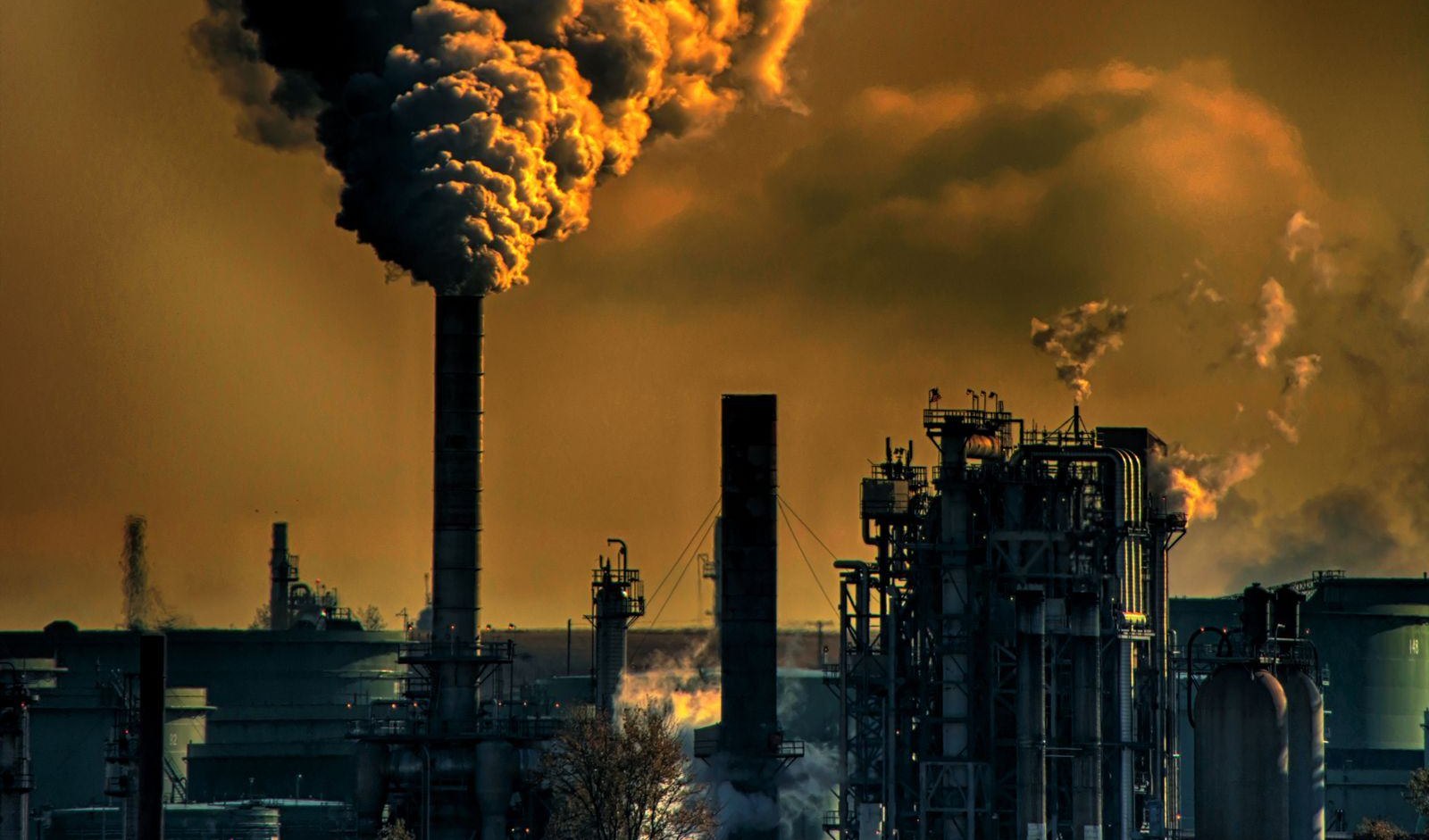
Burning coal, oil and natural gas releases carbon dioxide and methane that trap heat in the atmosphere. These emissions have pushed atmospheric CO2 past 420 parts per million, a level the planet hasn't seen in more than two million years.
The result is warming of roughly 0.2°C per decade, faster than at any point in at least the last 2,000 years.
Why Every Fraction Of A Degree Matters
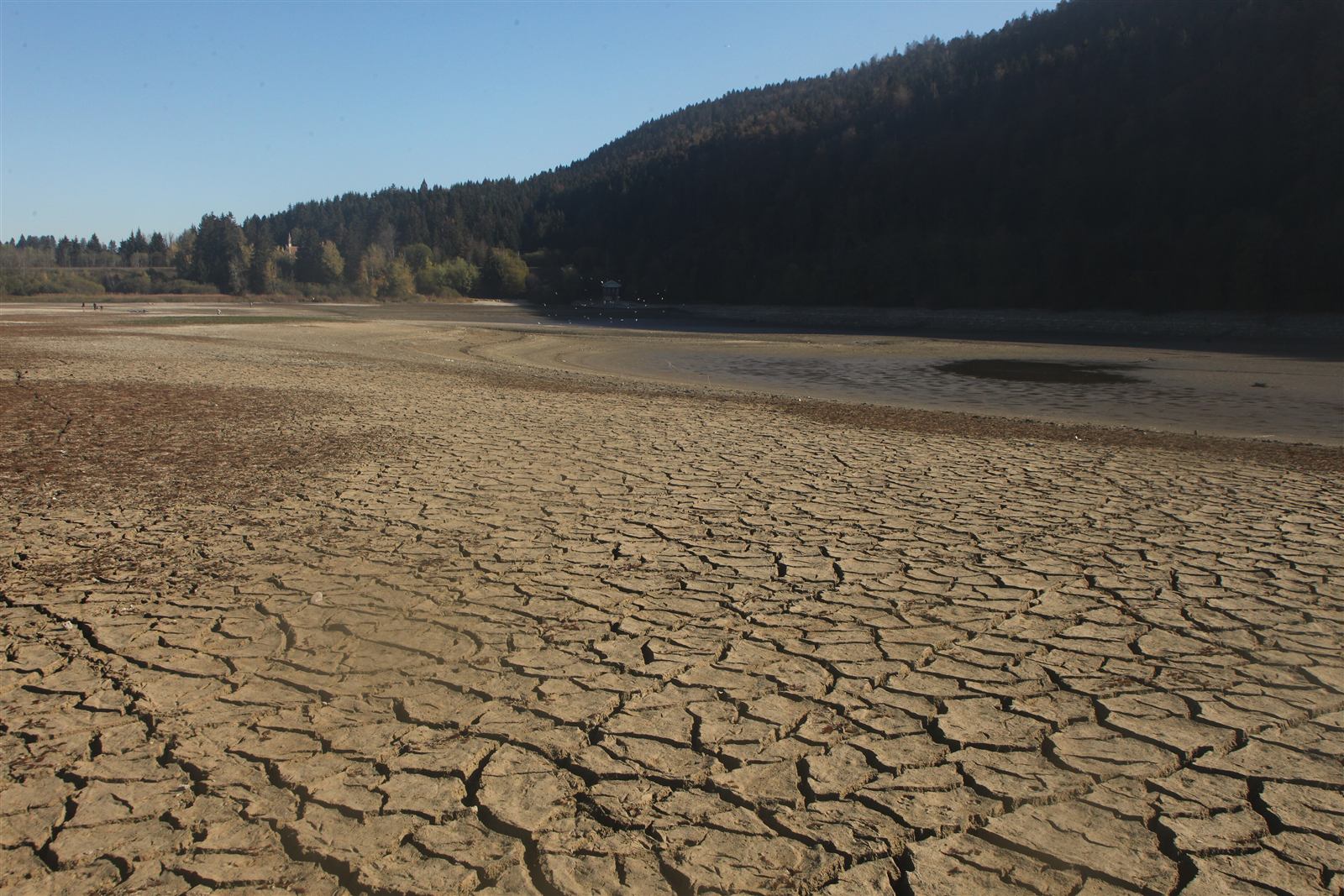
At 1.5°C of warming, coral reefs decline by 70-90%; at 2°C, almost all of them are lost. Every additional fraction of a degree raises the risk of crossing tipping points, ice sheet collapse, permafrost thaw, rainforest dieback, that would be difficult or impossible to reverse.
2023 was confirmed as the warmest year on record, with twelve consecutive months of broken global temperature records.
Cutting emissions at the source
The technology to solve most of this already exists; what's missing is the speed and scale of deployment.
Decarbonising Power & Transport
Solar and wind are now the cheapest source of new electricity in most of the world, and EV sales are climbing faster than any previous technology transition. Replacing fossil generation and combustion engines is the single biggest lever for cutting emissions this decade.
Policy, Pricing & Individual Choices
International agreements like the Paris Accord set the targets, but national policy, carbon pricing, methane regulation and phased fossil-fuel subsidy removal are what turn targets into results. Everyday choices around diet, transport and energy use shift demand and compound at scale.
Want the full deep-dive?
Read our long-form article on why 2023 broke every climate record.
Read the Article