Rethinking What We Make, Use and Throw Away
From single-use plastic to a rising tide of electronic waste, the world produces more than it can safely deal with. Here's the scale of the problem, and the shift already underway.
More produced than the planet can absorb
The Plastic Problem
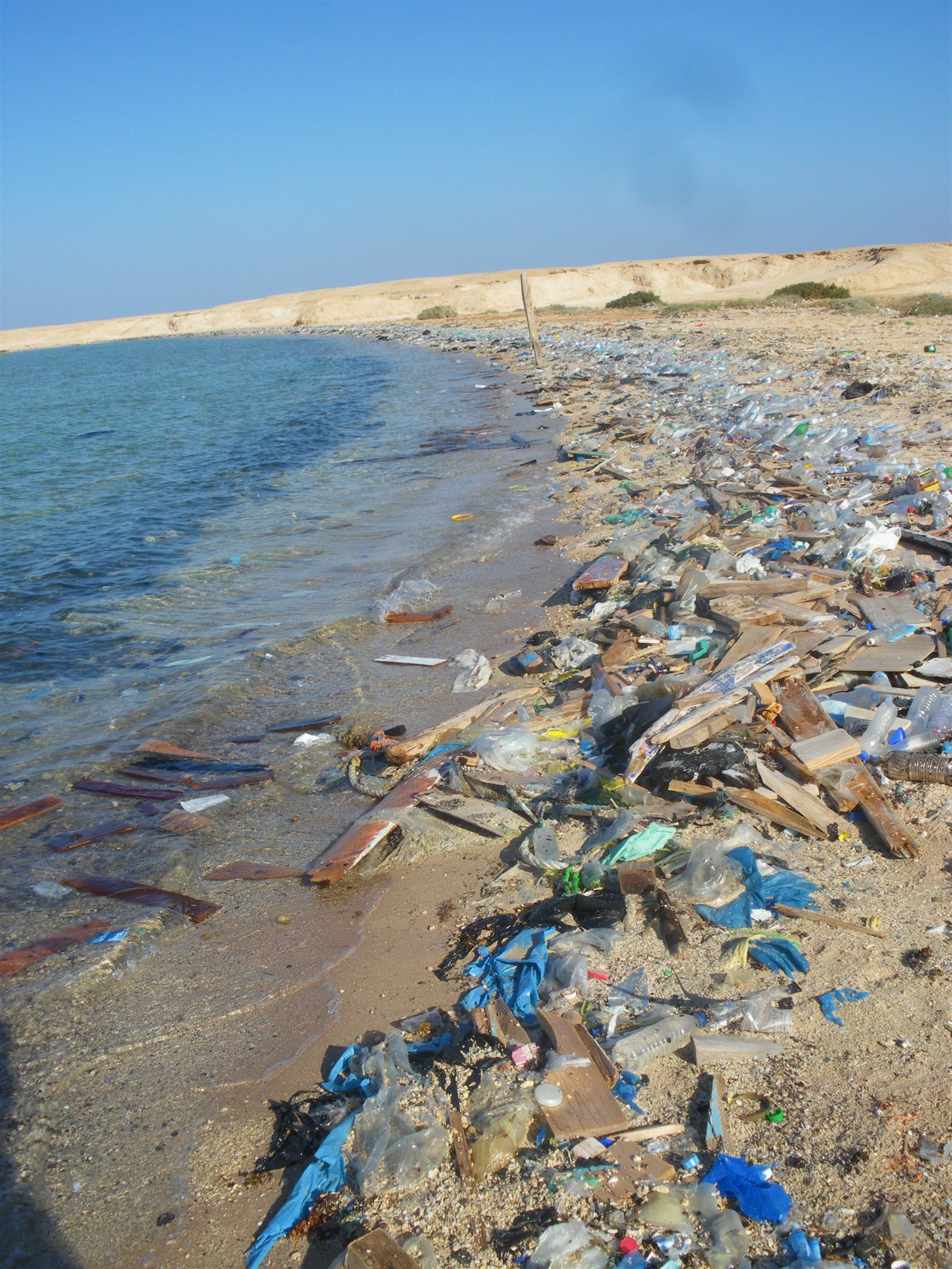
The world produced roughly 460 million tonnes of plastic in 2019 alone, more than double the amount made two decades earlier. Because plastic doesn't biodegrade, it accumulates in landfills, rivers and oceans for hundreds of years, breaking down into microplastics now found in soil, drinking water and human blood.
Around 8 million tonnes of that plastic enter the ocean every single year, harming marine life at every level of the food chain.
The E-Waste Surge
Electronics, phones, laptops, batteries and appliances, make up the fastest-growing waste stream on Earth. Most of it is never formally collected, so the valuable, recoverable materials inside go to landfill alongside toxic components like lead and mercury.
Left unmanaged, that toxic material leaches into soil and groundwater, turning a recycling opportunity into a pollution source.
Solutions that cut waste at the source
Recycling alone was never going to fix this; the bigger lever is producing and discarding less in the first place.
Reduce & Redesign
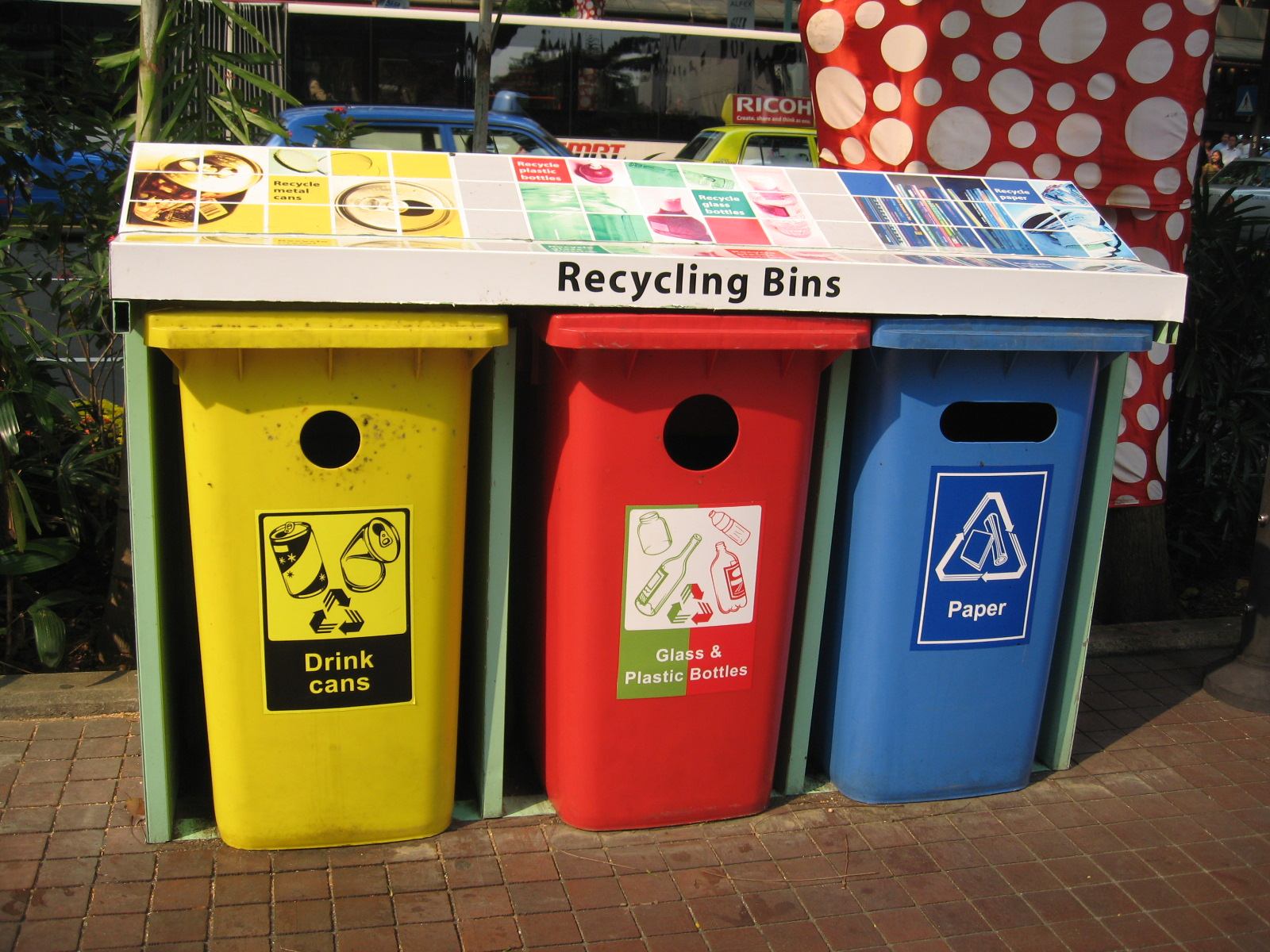
Extended producer responsibility laws, reusable packaging and the ongoing UN treaty negotiations on plastic pollution all push the problem upstream, toward making less single-use material in the first place, rather than managing it after the fact.
Collect, Repair & Recover Value
Formal e-waste collection systems, right-to-repair laws and deposit-return schemes for bottles and cans all raise recovery rates by making it easier, and often more profitable, to reclaim materials than to landfill them.
Want the full deep-dive?
Read our long-form articles on plastic pollution and the e-waste crisis.