Renewable Energy & Resource Depletion
Fossil fuels are finite and damaging our planet. Here's how renewable energy offers a genuinely sustainable path forward.
Finite resources, growing demand
Fossil fuels — coal, oil, and natural gas — are non-renewable resources formed over millions of years. At current consumption rates, known oil reserves may last only 50 more years, with natural gas and coal reserves depleting within the next century.
As developing nations industrialise and global population grows, energy demand continues to rise, accelerating resource depletion and driving up costs.
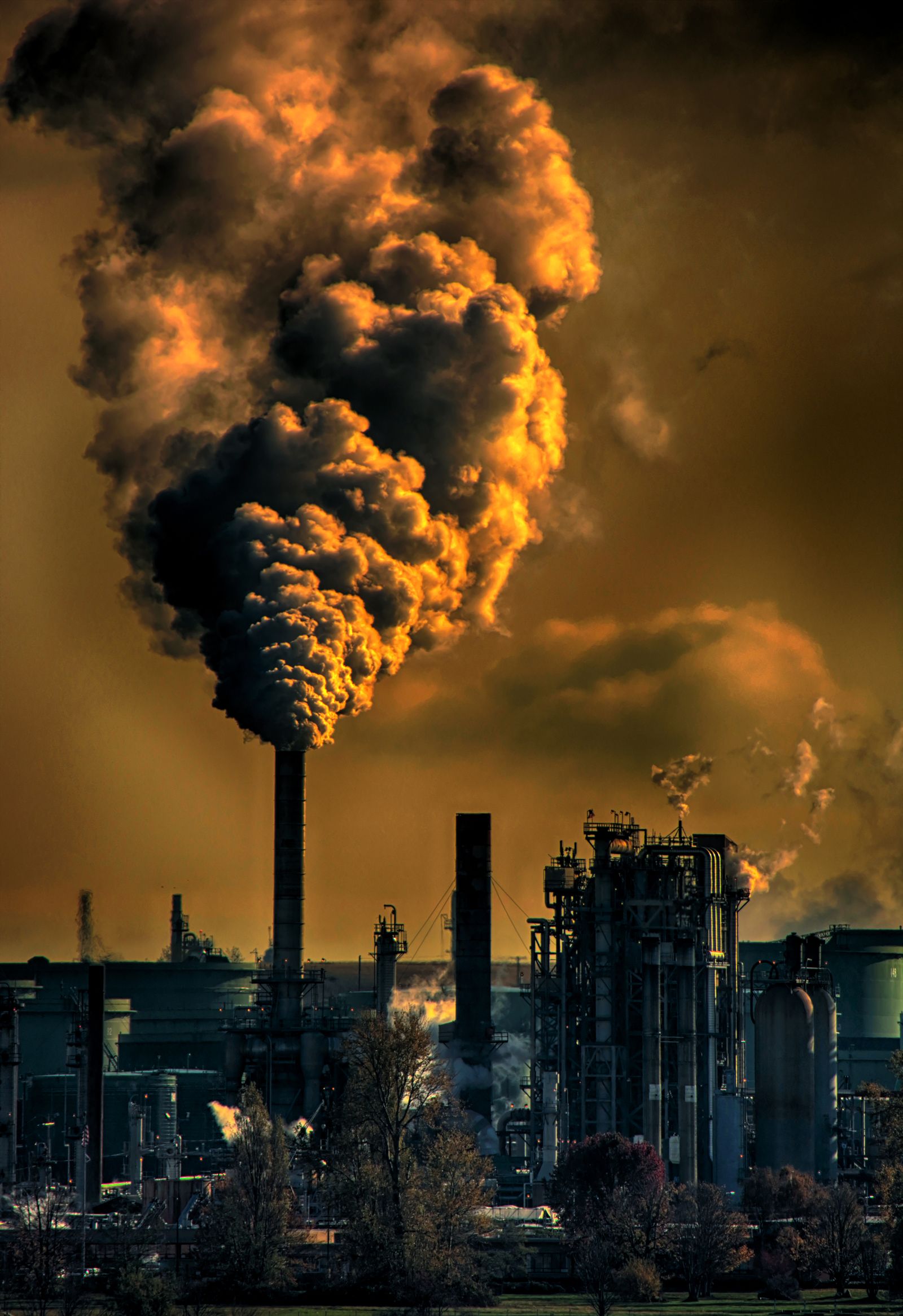
Environmental Impact
Burning fossil fuels releases greenhouse gases that drive climate change, causing extreme weather, rising sea levels and ecosystem disruption. Extraction processes like fracking and mining cause land degradation, water pollution and habitat destruction.
The environmental costs of relying on finite resources extend far beyond climate change — affecting air quality, water security and biodiversity.
Four sources already reshaping the grid
Renewable sources are naturally replenished, produce minimal emissions, and are increasingly cheaper than fossil alternatives.

Solar Power
Harnessing energy from the sun via photovoltaic cells — the most abundant energy source on Earth.

Wind Energy
Converting wind motion into electricity with turbines — one of the fastest-growing renewable sources.
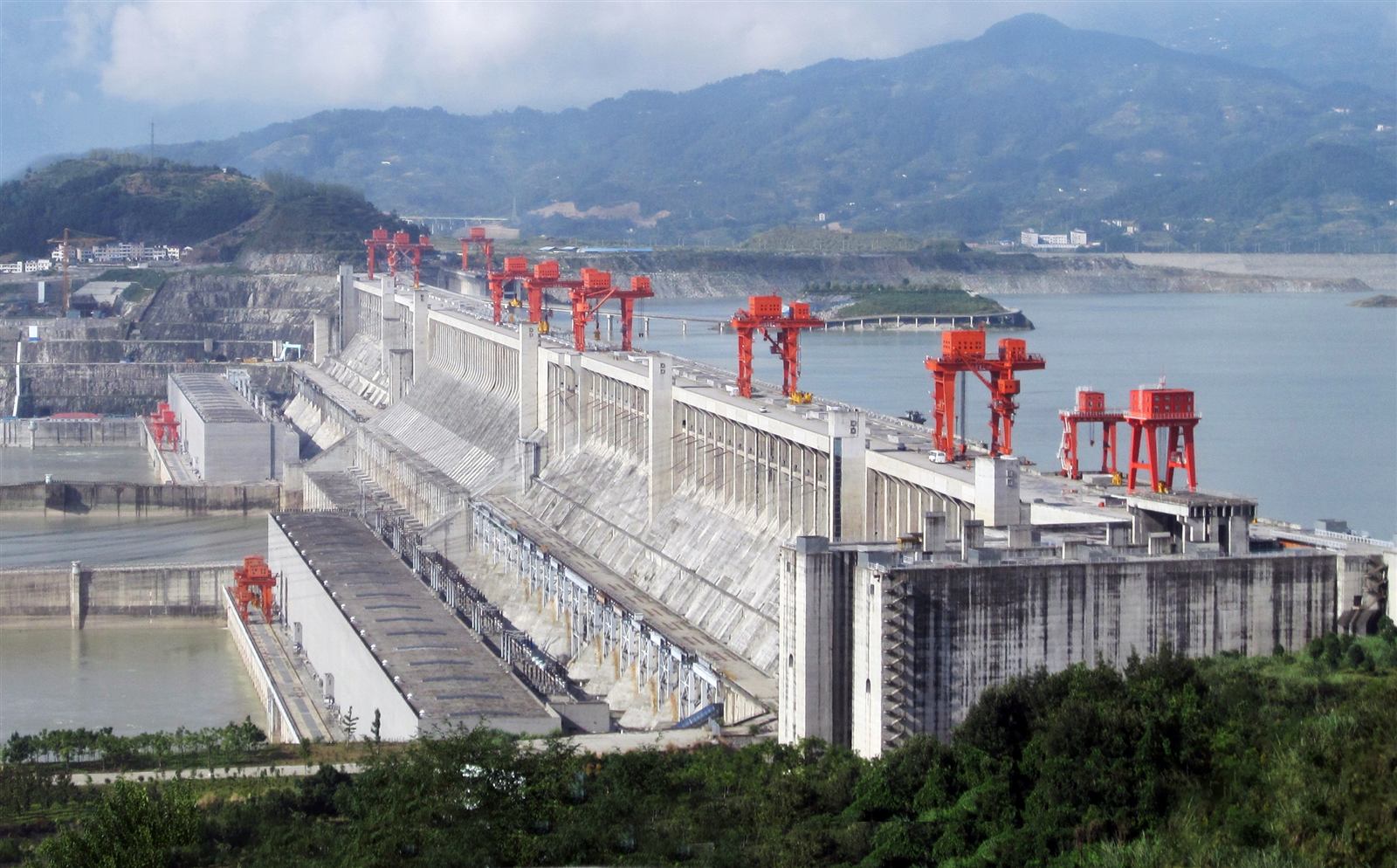
Hydropower
Generating electricity from flowing water — currently the largest source of renewable electricity worldwide.
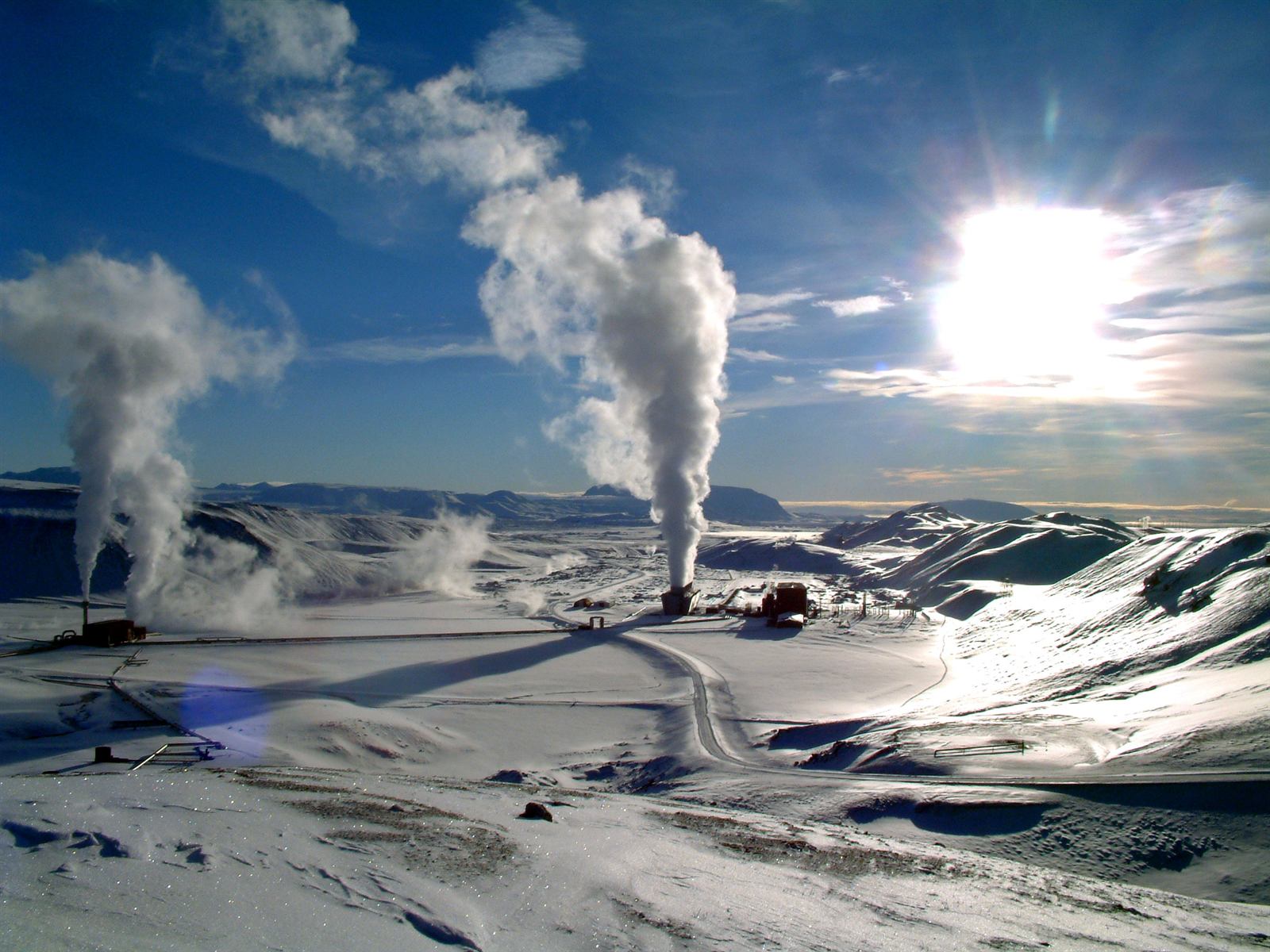
Geothermal
Tapping into the Earth's internal heat for power generation and direct heating applications.
Want the full deep-dive?
Read our long-form article on how solar and wind overtook coal.
Read the Article