The Root Causes of Environmental Damage
Environmental problems don't arise by chance — they're the result of long-term choices around energy, consumption and land use.
Understanding the causes behind climate change, plastic pollution and biodiversity loss is essential to addressing the crisis effectively. These causes are deeply interconnected and reinforce one another.
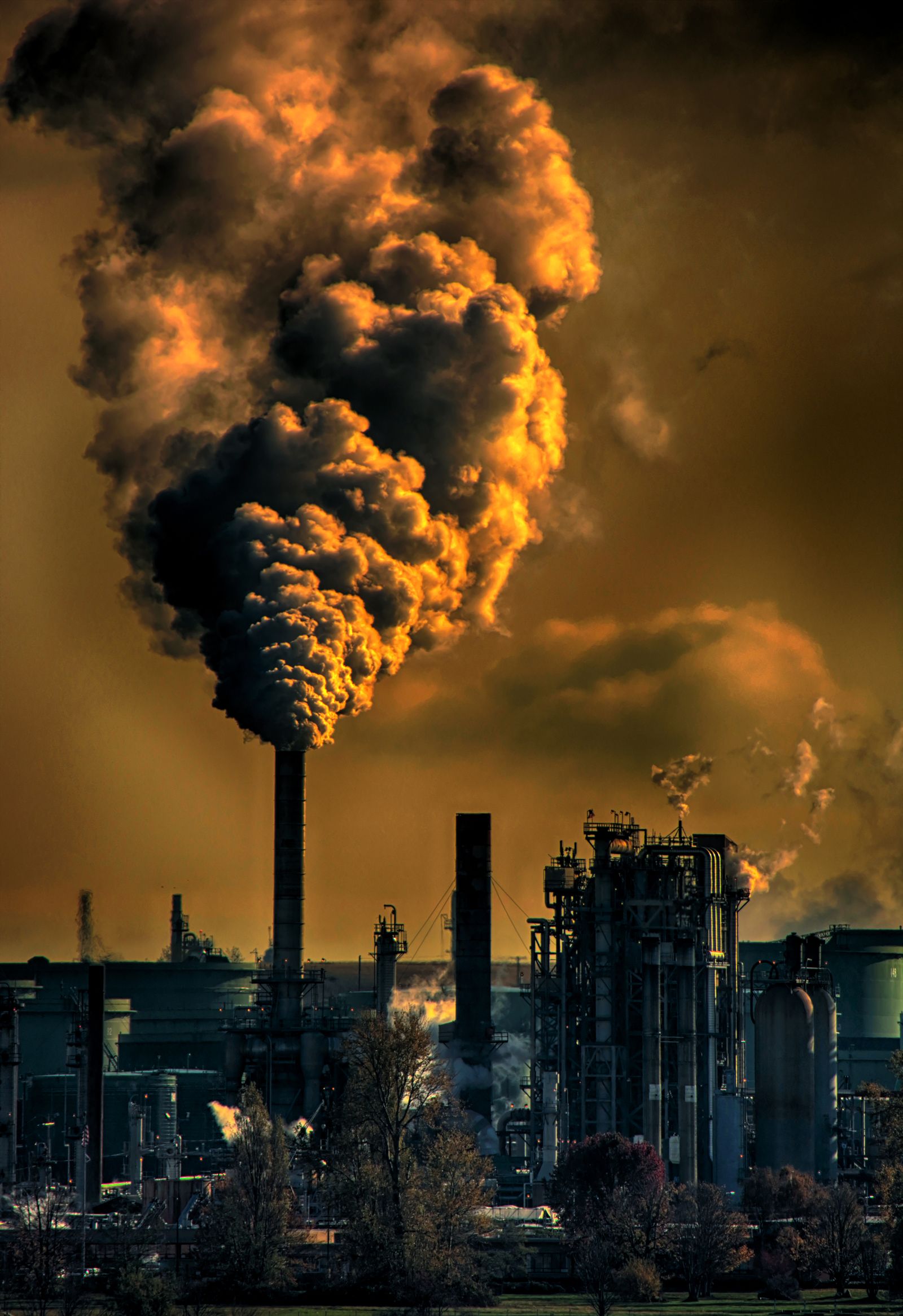
Climate Change: Emissions from Human Activity
The primary cause of climate change is the large-scale burning of fossil fuels for electricity, transport and industry. Deforestation reduces the number of trees able to absorb CO₂, while livestock farming adds significant methane emissions.
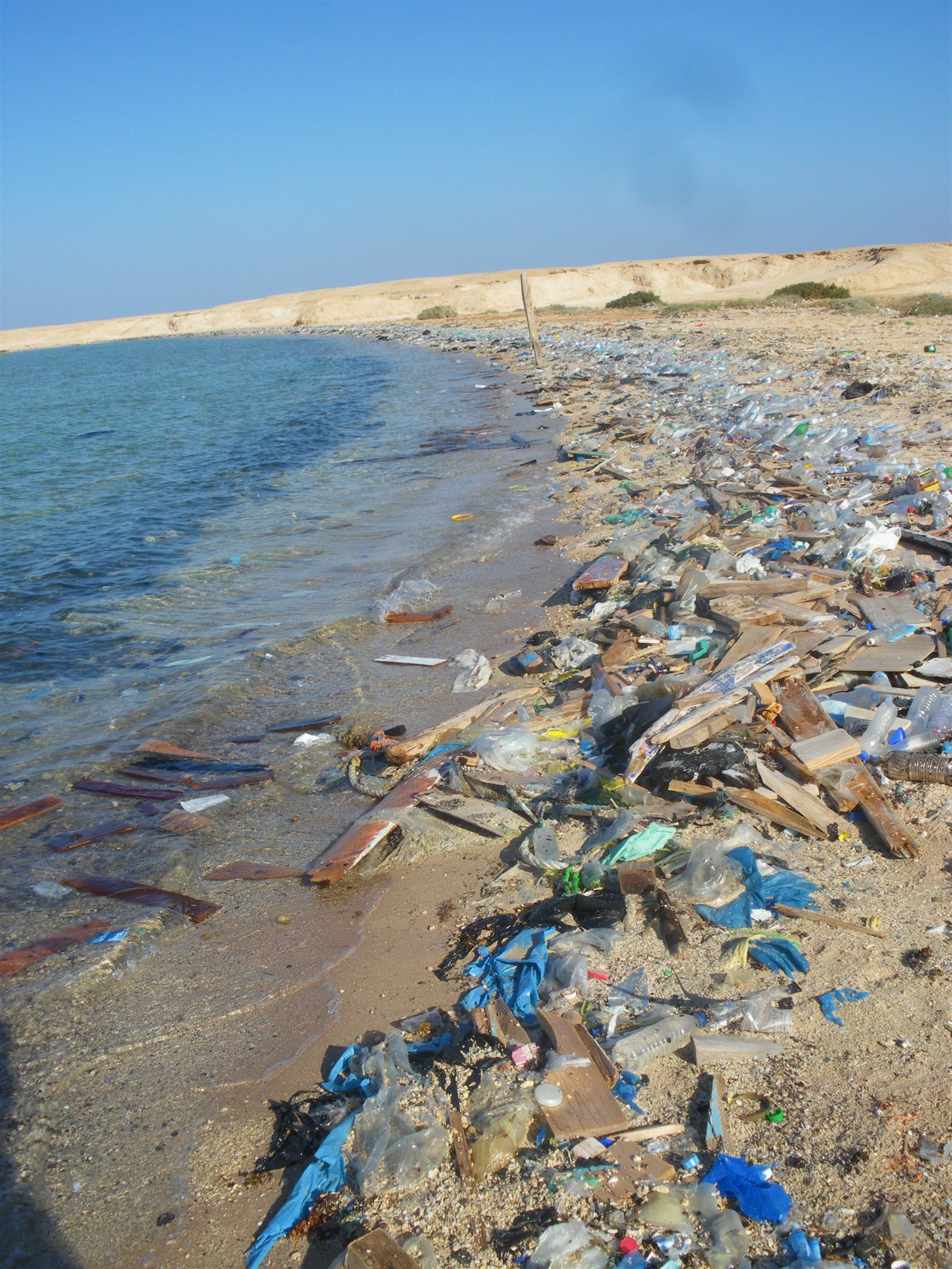
Plastic Pollution: Overproduction & Convenience
Plastic pollution is driven by mass production of cheap, disposable plastics designed for convenience rather than durability. Inadequate waste management lets huge volumes escape into the environment, while recycling rates remain low.
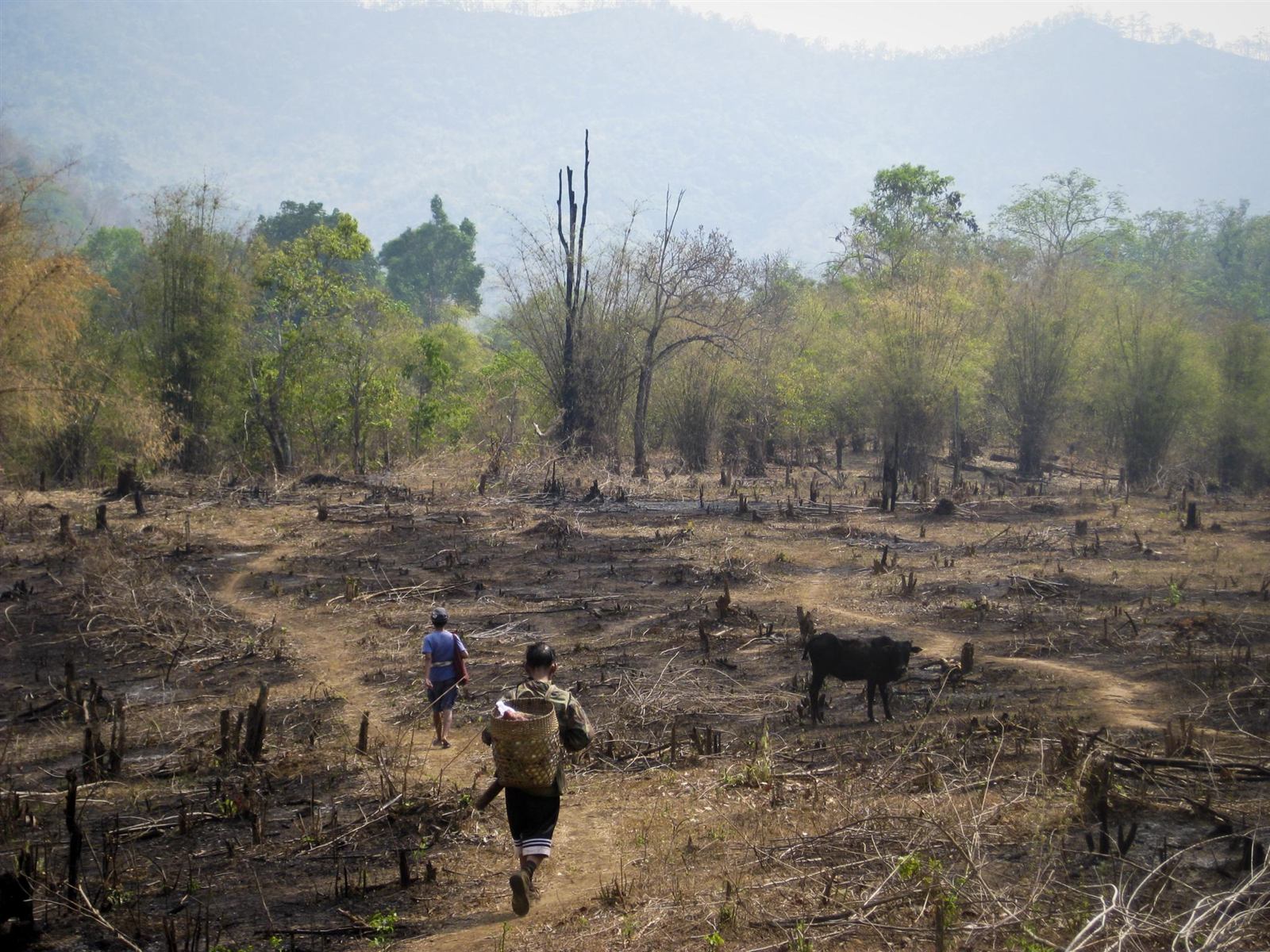
Biodiversity Loss: Habitat Destruction
The leading cause of biodiversity loss is habitat destruction. Forests, wetlands and grasslands are cleared for agriculture, cities and infrastructure — leaving species less able to find food, reproduce and adapt.
Why Understanding the Causes Matters
Addressing environmental problems without understanding their causes only treats the symptoms. Long-term solutions require changes to energy systems, consumption habits, land use and waste management.
Moving Toward Solutions
By identifying root causes, society can develop targeted responses — renewable energy, sustainable production, and conservation — rather than one-off fixes.
Next: what actually works
Real, scalable solutions already exist. See what's being done.
See The Solutions