Air Pollution
Air pollution doesn't make headlines the way a wildfire or a flood does — there's no single dramatic image to point to. But by the World Health Organization's own estimate, it contributes to more premature deaths every year than any single infectious disease, and almost no one on the planet is fully outside its reach.
The WHO estimates that ambient (outdoor) and household air pollution combined contribute to around 7 million premature deaths annually — through strokes, heart disease, lung cancer and chronic respiratory conditions. In 2022, WHO air quality data covering thousands of cities found that virtually the entire global population — around 99% — breathes air that exceeds at least one WHO air quality guideline threshold.
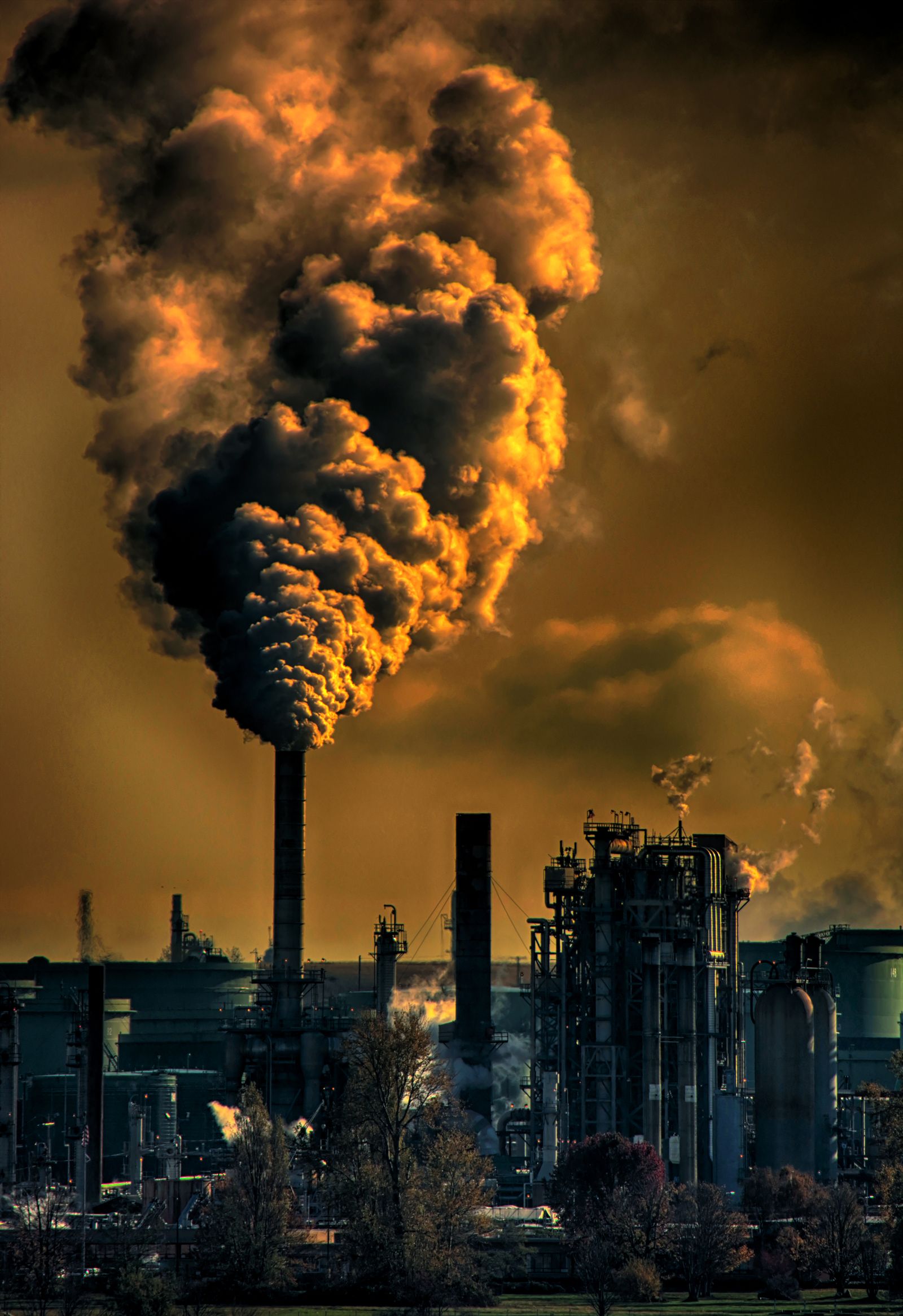
The pollutant researchers worry about most is PM2.5 — particulate matter smaller than 2.5 micrometres, small enough to bypass the body's natural filtering and lodge deep in the lungs and bloodstream. It comes from vehicle exhaust, industrial combustion, coal-fired power generation, agricultural burning, and household use of solid fuels like wood and coal for cooking and heating in lower-income regions. Unlike a visible smog event, dangerous PM2.5 levels can be present on a seemingly clear day, which is part of why the health burden is so persistently underestimated by the public.
Air pollution's reputation as a respiratory issue undersells its impact. The Lancet Commission on Pollution and Health and subsequent research have linked long-term PM2.5 exposure to stroke, ischemic heart disease, and increasingly, cognitive effects — including associations with childhood developmental delays and adult cognitive decline. Because the exposure is chronic and cumulative rather than a single acute event, the health costs tend to be invisible in day-to-day life, showing up instead in population-level statistics on cardiovascular and respiratory disease rates.
Air pollution is unusual among environmental problems in that several cities and countries have demonstrated large, fast improvements once they committed to it. Beijing cut its average PM2.5 concentration by roughly 40% between 2013 and 2017 through a coordinated national action plan targeting coal power, industrial emissions and vehicle standards. London's Clean Air Act of 1956, passed after the deadly "Great Smog" of 1952, is often cited as the first major modern air quality law and dramatically cut sulphur pollution within a decade. These aren't abstract case studies — they're proof that the same policy tools (fuel standards, industrial regulation, public transport investment) reliably work wherever they've been seriously applied.