Fast Fashion
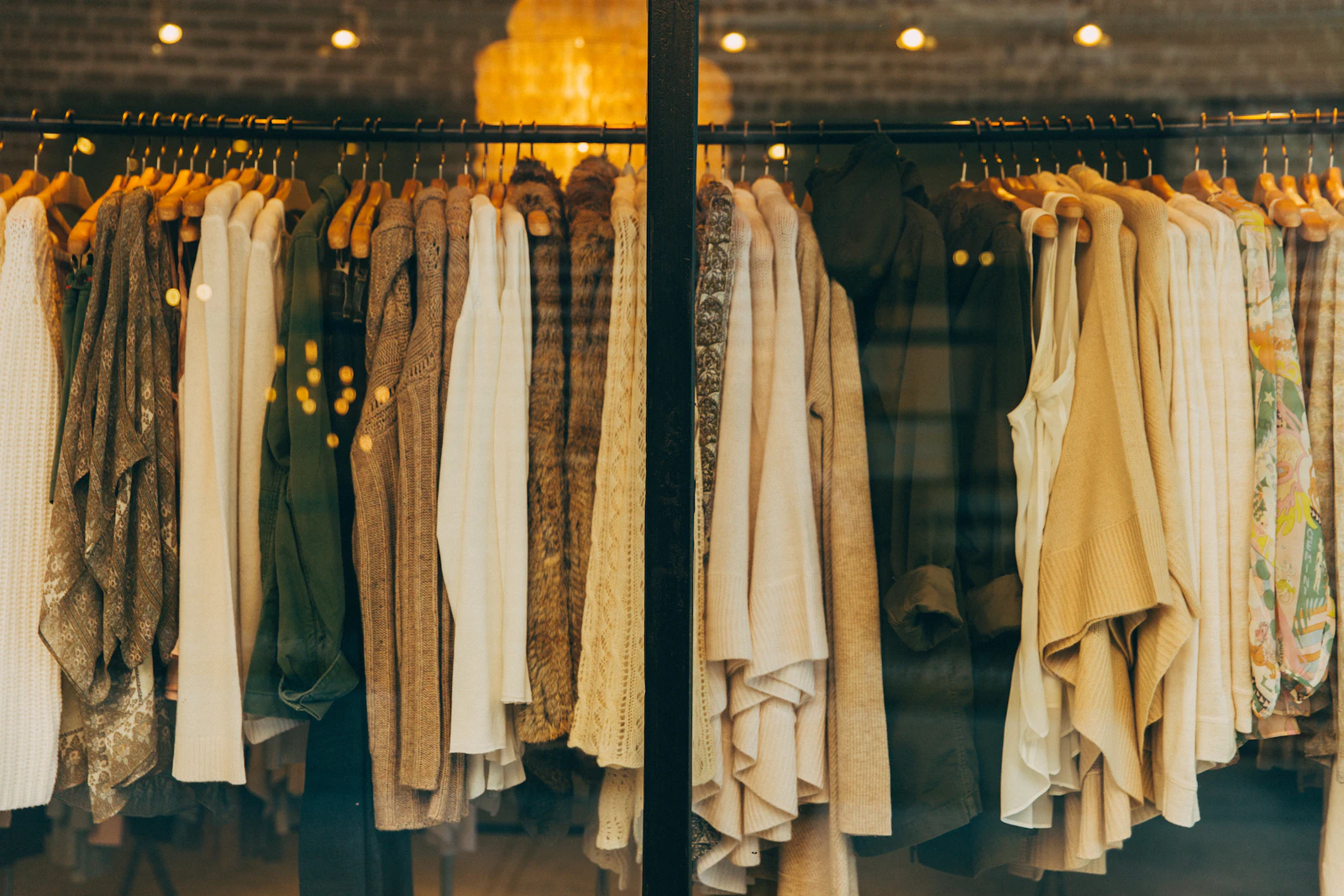
The average garment today is worn far fewer times before it's discarded than it was a generation ago — not because clothes wear out faster, but because buying new ones has become cheap and constant. The environmental bill for that shift is enormous, and it's largely invisible at the point of sale.
"Fast fashion" describes a business model built on rapid design-to-shelf cycles and rock-bottom prices, encouraging frequent, high-volume purchasing rather than durability or repair. According to the Ellen MacArthur Foundation's landmark 2017 report A New Textiles Economy, the number of times a garment is worn before being discarded has fallen by around 36% over the past 15 years — even as global clothing production has roughly doubled.
Unsold and discarded clothing doesn't simply vanish once it leaves a store or a donation bin. Because most garments blend synthetic fibres (like polyester, essentially woven plastic) with natural ones, they're difficult and expensive to recycle into new clothing — so the vast majority ends up landfilled or incinerated. Some of the starkest images of this problem come from Chile's Atacama Desert, where satellite images and on-the-ground reporting have documented mountains of discarded fast fashion, much of it shipped from wealthier countries' donation and resale surplus, dumped in one of the driest places on Earth because there's nowhere else for it to go.
A garment's price tag rarely reflects its environmental cost. Cotton is a thirsty, pesticide-intensive crop in many growing regions; the dyeing and finishing stage of textile production is one of the world's largest sources of industrial water pollution, since wastewater from dye houses is often discharged with minimal treatment in countries with weaker environmental enforcement. Synthetic fabrics, meanwhile, shed microplastic fibres every time they're washed — a single laundry load of synthetic clothing can release hundreds of thousands of microfibres into wastewater systems not designed to filter them out.
The alternative isn't necessarily buying nothing — it's buying differently. A circular textile system, as outlined by the Ellen MacArthur Foundation, keeps garments and fibres in active use for as long as possible: durable design, repair culture, resale and rental markets, and genuine fibre-to-fibre recycling rather than "wishcycling" clothes into bins that mostly export the problem elsewhere. Some legislation is starting to catch up — the EU's Strategy for Sustainable Textiles, adopted in 2022, aims to make producers responsible for a garment's full lifecycle, including its disposal.