Water Scarcity
In early 2018, officials in Cape Town began publishing a countdown: the number of days left before the city's taps would run dry. They called it "Day Zero." It didn't arrive that year — but the fact that a modern city of four million people came within weeks of it should have changed how we think about water security everywhere.
Cape Town's crisis wasn't a freak event. It followed three consecutive years of exceptionally low rainfall combined with rising demand from a growing city — a combination that is becoming more common, not less, as rainfall patterns shift under climate change. The city avoided Day Zero through drastic measures: agricultural water was cut, residents were rationed to 50 litres a day, and heavy fines were imposed on households that exceeded it. It worked, but it worked because of an emergency response, not because the underlying water stress went away.
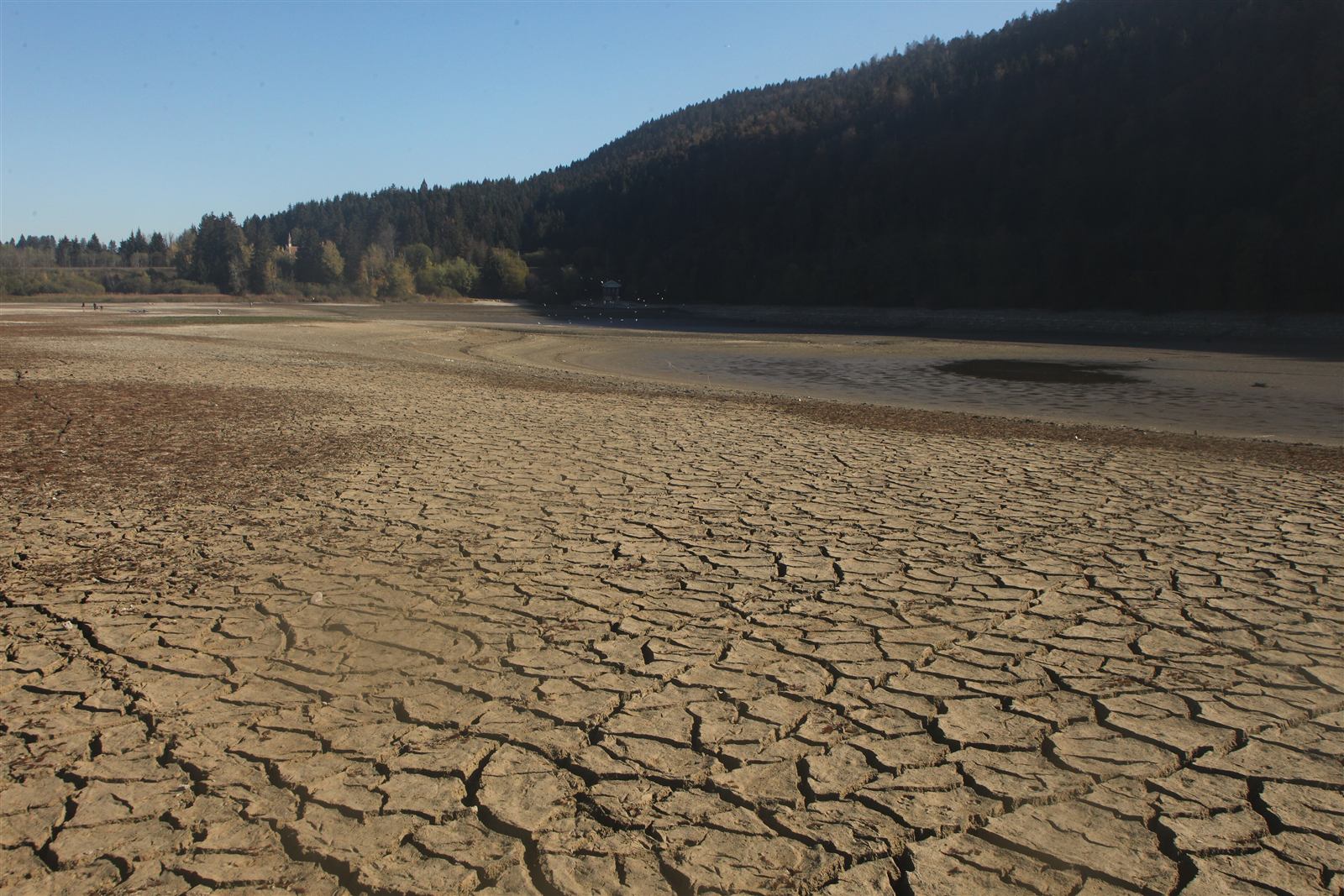
Chennai, India's sixth-largest city, effectively ran out of water in the summer of 2019 after its four main reservoirs fell to near-zero levels, forcing the city to truck in water and run special "water trains" from hundreds of kilometres away. São Paulo, Brazil's largest city, came close to the same fate in 2014–15, when its main reservoir system dropped below 4% of capacity. Each crisis had a different immediate trigger — drought, mismanagement, unregulated groundwater extraction — but the underlying story was the same: demand had grown to match or exceed the most optimistic rainfall assumptions, leaving no margin when the weather didn't cooperate.
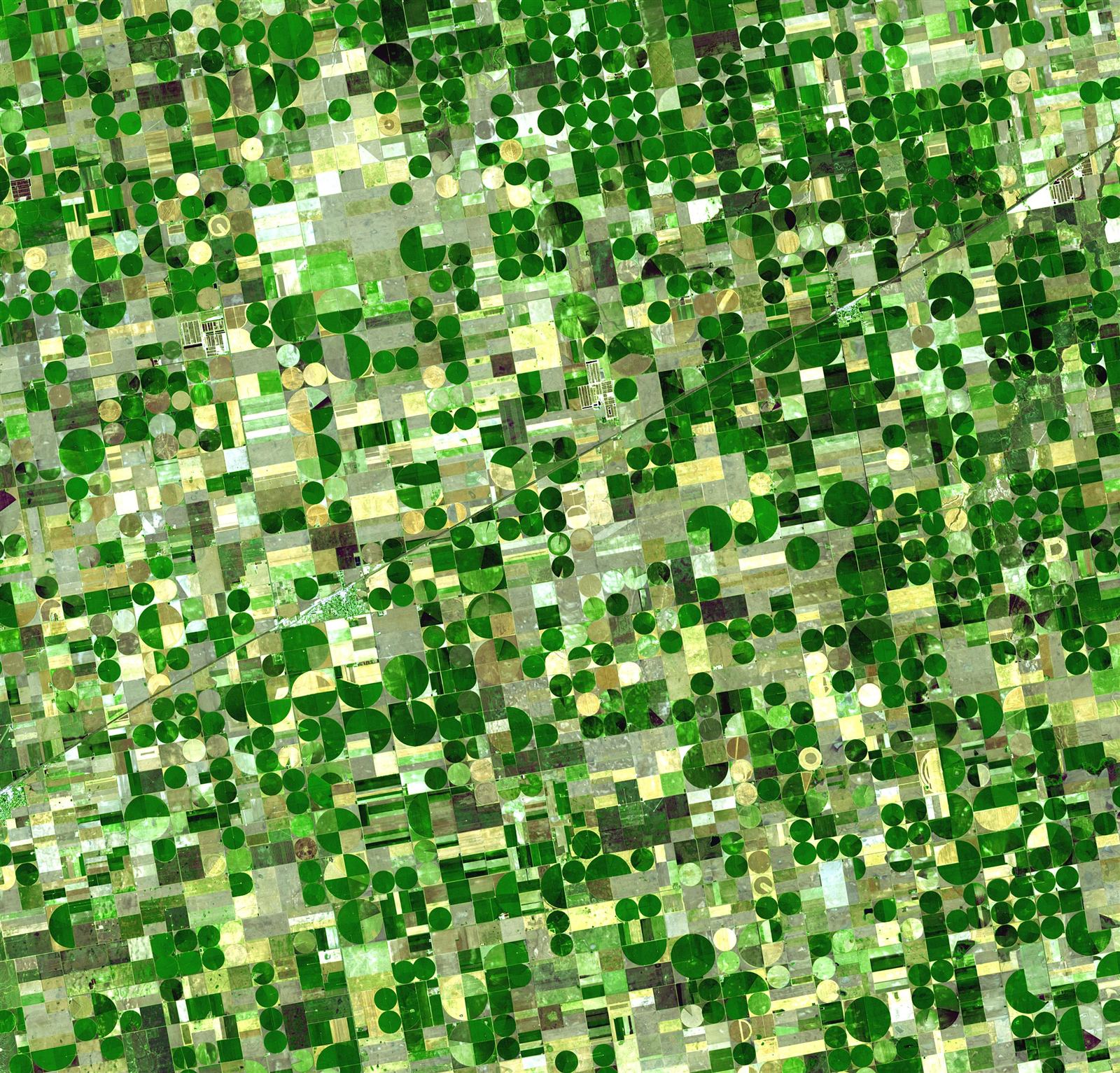
Rising temperatures don't just change how much rain falls in a given region — they change how reliably it falls. Wet seasons are becoming more concentrated into shorter, more intense bursts in many regions, while dry seasons stretch longer, making reservoirs harder to keep full using traditional planning models built on 20th-century rainfall records. Groundwater, often treated as a backup, is being drawn down faster than it can recharge in many of the world's major aquifers, according to satellite gravity data collected by NASA's GRACE mission.
The cities that have recovered best share a few strategies in common: aggressive leak repair (some cities lose over 30% of treated water to leaking pipes before it reaches a tap), tiered pricing that makes high-volume use more expensive, water recycling for non-drinking uses like irrigation, and — where affordable — desalination as a drought-proof supplement rather than a primary source, since it remains energy-intensive and costly at scale.