Green Building
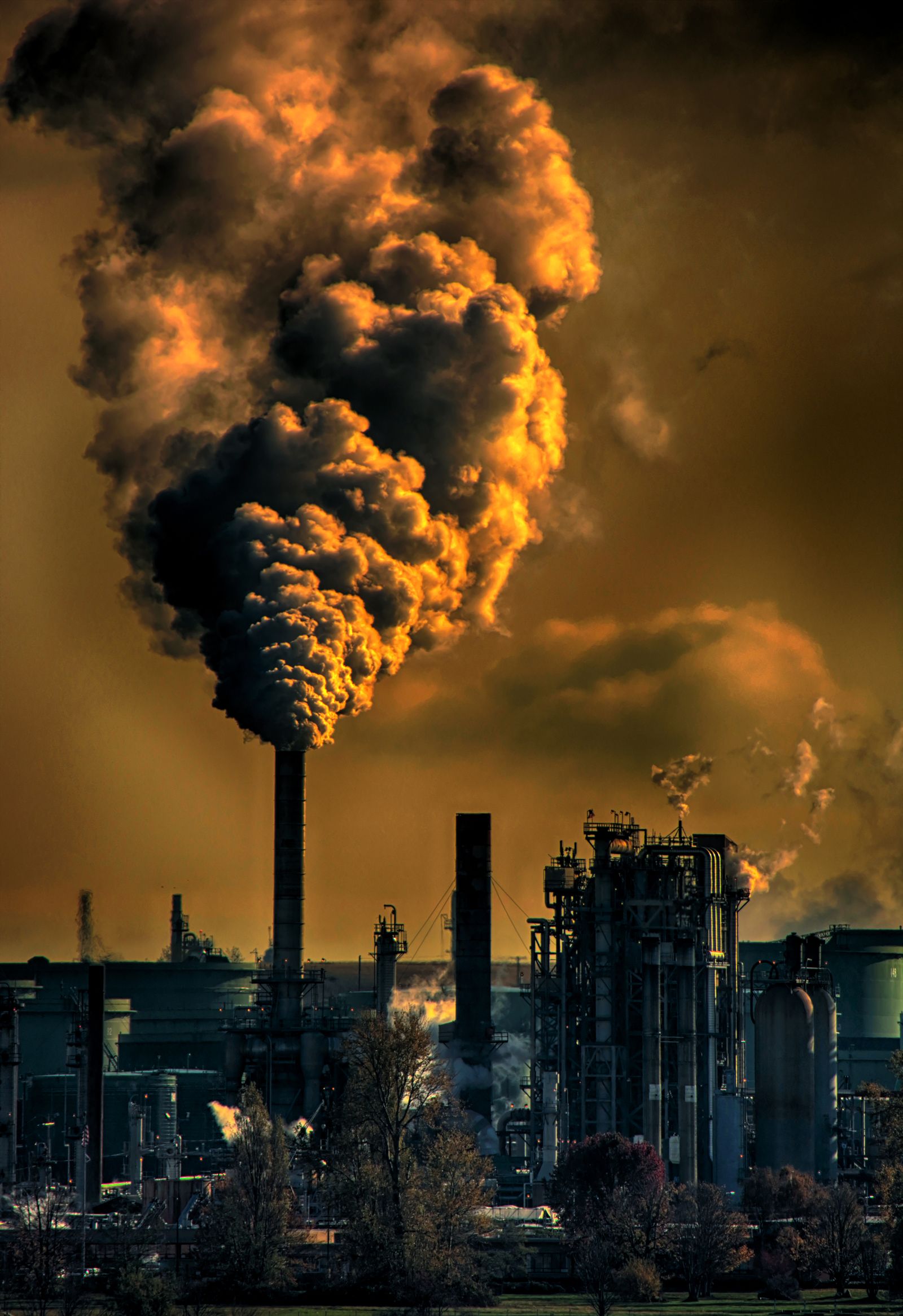
When people picture climate emissions, they usually picture a tailpipe or a smokestack. Rarely do they picture a building — yet the buildings we live and work in, and the concrete and steel used to build them, produce more energy-related emissions than the entire global transport sector.
The UN Environment Programme's Global Status Report for Buildings and Construction puts the sector's share of global energy-related CO₂ emissions at around 37% once both operational energy (heating, cooling, lighting, appliances) and embodied carbon (emissions from producing building materials) are counted. That's a bigger slice than road transport, aviation and shipping combined.
"Building emissions" actually covers two distinct issues. Operational emissions come from running a building day to day — heating and cooling systems, lighting, hot water, appliances — and make up the larger share. Embodied carbon comes from manufacturing the materials themselves before construction even begins: cement production alone is responsible for roughly 8% of global CO₂ emissions, largely because the chemical process of turning limestone into clinker releases CO₂ regardless of what fuel is used to heat the kiln.
This distinction matters because they demand different solutions. Operational emissions respond to efficiency retrofits and clean electricity; embodied carbon requires rethinking the materials and construction methods themselves — mass timber, low-carbon concrete alternatives, and reused structural materials.
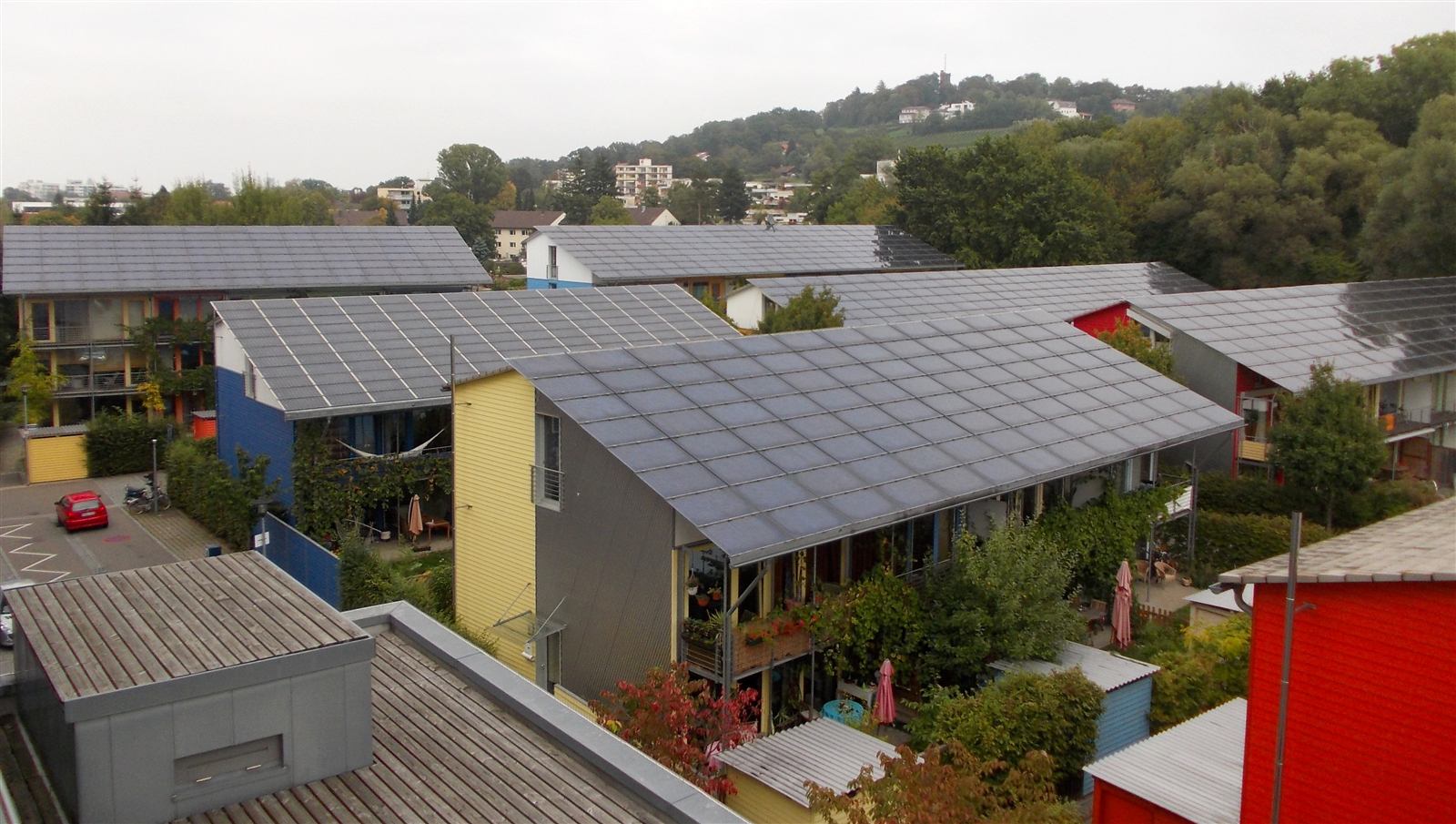
Solar Settlement, a housing development in Freiburg, Germany, is one of the most cited real-world examples: each home is built to generate more energy than it consumes over a year, with rooftop solar arrays angled for maximum yield and passive design reducing heating and cooling demand before any technology gets involved. It's not a laboratory concept — people have lived there since the early 2000s, and the model has directly influenced building codes across Germany and beyond.
At a larger scale, certification systems like LEED and BREEAM give architects, developers and buyers a standardised way to measure and compare a building's environmental performance, from energy use to material sourcing to indoor air quality — turning "green building" from a marketing term into something independently verifiable.
New, efficient buildings get most of the attention, but the math favours retrofits: since most of 2050's buildings already exist, upgrading insulation, windows, and heating/cooling systems in the current building stock has a far larger total emissions impact than only building new structures to a higher standard. Cities like Amsterdam and Boston have introduced building performance standards that require existing large buildings to cut emissions over time — regulation aimed squarely at the stock we already have, not just what gets built next.